The AfricaLics network is part of a global network of scholars who “study the role of innovation and who consider innovation systems as complexes of institutions that mould and support innovation in countries at different levels of industrialization.”[i]
The AfricaLics network starts from this same basis but has a deliberate emphasis on how innovation efforts impact society, not just in terms of economic development or industrialisation but also in terms of social development (with issues of inclusion and sustainability often being the focus of members’ work). The result is that research within the AfricaLics network covers several thematic areas that range from how innovation takes place, how innovation can be promoted and supported and, the impact of innovative efforts on society. Innovation is defined broadly in the AfricaLics network as introducing new things into new contexts and not just as formally defined new or improved products, processes, organisational or business models.
Network member’s research tends to fit into one or more of the main thematic areas or one of the network’s more focused research coordination areas.
Thematic areas
Typically papers presented at our events focused on:
- Systems thinking – using frameworks such as national innovation systems, sectoral innovation systems, technological innovation systems, agricultural/ health innovation systems to understand how enabling the environment for innovation is and the barriers that exist to innovation efforts.
- Innovation management – this work looks at the extent, status or challenges to innovation activity traditionally within formal firm settings. However, increasingly, there is work considering how innovation takes place and can be promoted in different types of organisational structures, including public organisations, the informal sector and households.
- Competencies and learning – this recognises that innovation creates new capabilities, skills and knowledge but also that innovative activity requires certain competencies to be in place to start with. Work here looks at what these competencies and learning are and how they can be promoted and sustained.
- Governance, policy and politics – this thematic area has some similarities to the systems thinking them but differs in that it is focused on the connections and power dynamics within innovation systems but also within firms or other organizational structures conducting or promoting innovation. It is also focused on tacit and explicit rules, laws and norms that influence innovation and innovation policy.
Scholars within the AfricaLics network may focus on one or more of these thematic areas and come at them from a range of disciplines, from economics to social policy, development studies to engineering. They may also study these with a country, sector or industry focus or through a specific cross-cutting lens such as gender or finance.
[i] https://www.globelicsnetwork.org/about-globelics/history-and-future/ (accessed 05/09/24)
Research Coordination Areas (RCAs)
Since 2022, the Network has placed additional emphasis on specific areas of research. These are either deemed ‘neglected research areas’ due to the lack of current research taking place or ‘diffuse research areas’ where there is intense activity, but more coordinated efforts are required. In all cases, the interest is to help researchers in the network share knowledge and learning and promote joined-up research projects. A key output from the RCAs is regular ‘state of the art’ reports outlining the latest research findings, gaps and opportunities.
The Network currently has four established RCAs: STI measurement in Africa; Global Value Chains (GVCs), Innovation, and Industrialization; Innovating Resilience: Advancing Inclusive Agricultural Innovation for Climate Resilience in Sub-Saharan Africa and Innovation and Sustainable Energy Transition in Africa (i-SET Africa).

STI measurement in Africa
The AfricaLics Research Coordination Area (RCA) on Africa-Focused Innovation Measurement was established in November 2022 with aim of contributing to building the knowledge base and promoting collaboration and networking towards advancing theoretical and empirical research on innovation measurement in Africa...
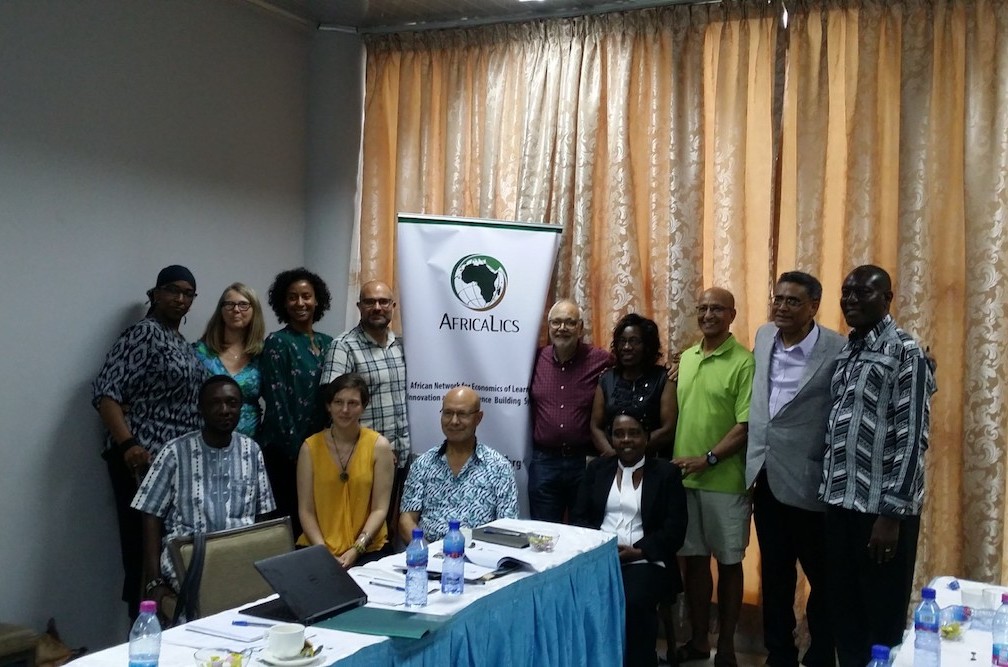
Global Value Chains (GVCs), Innovation, and Industrialization
By any measure of economic transformation, Africa stands at a decisive juncture. In an era where global value chains (GVCs) shape the geography of production and innovation determines who captures value, Africa’s industrial future must be reconceived— not just...
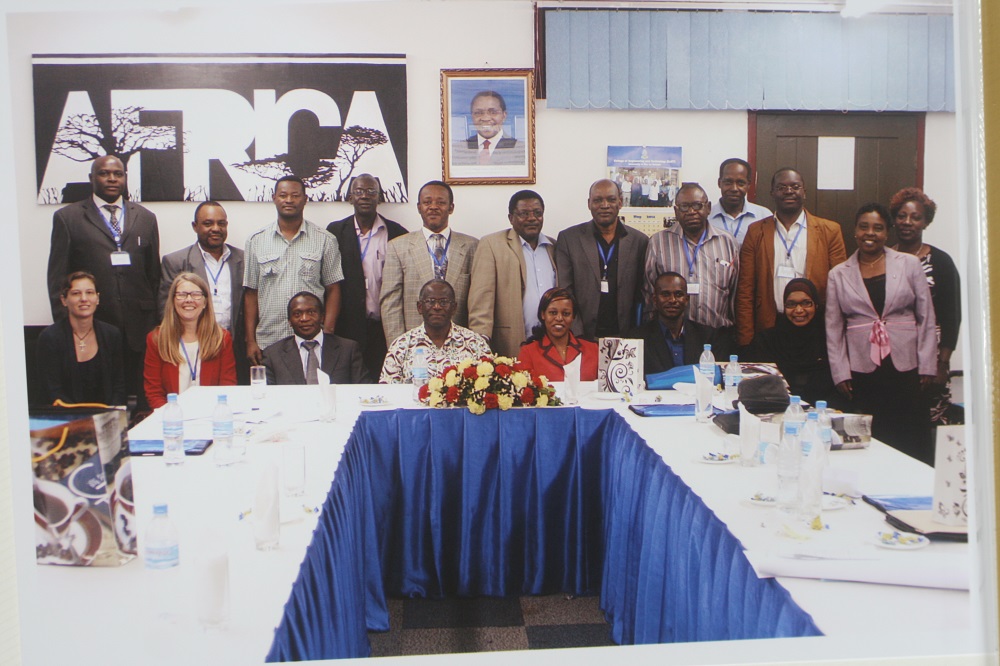
Innovating Resilience: Advancing Inclusive Agricultural Innovation for Climate Resilience in Sub-Saharan Africa
The RCA seeks to advance conversations around inclusive agricultural innovations for climate resilience in sub-Sahara Africa with particular emphasis on gender, inequalities and promoting...
Innovation and Sustainable Energy Transition in Africa (i-SET Africa)
The RCA seeks to promote sustainable, inclusive, and innovation-led energy transitions in Africa. Key objectives include: Promoting research on inclusive, sustainable energy transitions; Strengthening local innovation systems and technological capabilities; Enhancing...
The latest state of the art reports are available here